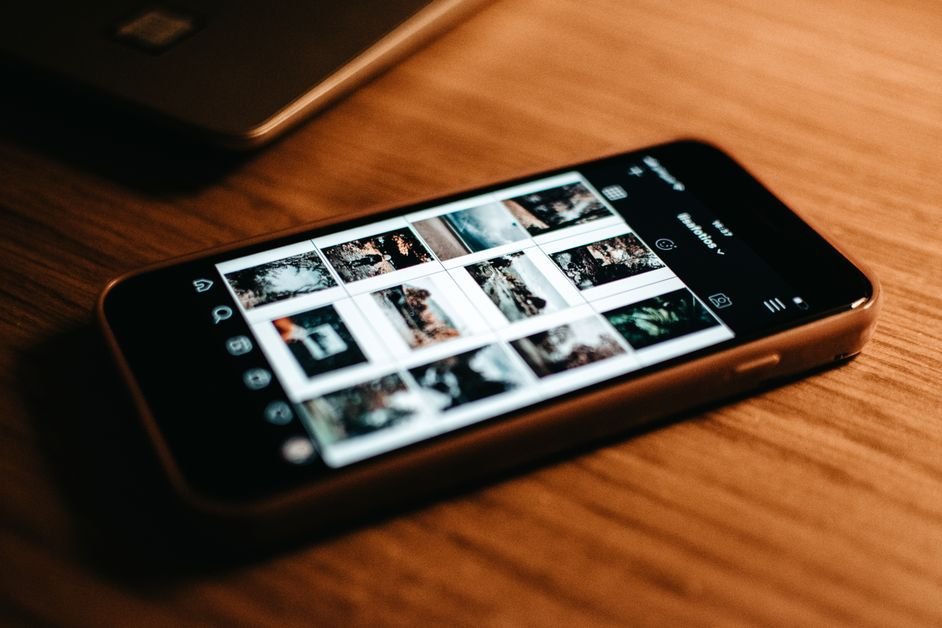
The best photo lock apps hide your private photos and videos behind a PIN, fingerprint, or encryption. On Android, Keepsafe, LockMyPix, 1Gallery, and Google Files’ Safe Folder lead the pack. On iPhone, Vaultaire and Private Photo Vault add stronger locks than the built-in Hidden album.
Key Takeaways
- Built-in options like Google Files’ Safe Folder and Apple’s Hidden album need no download.
- Many vault apps only hide the gallery view and do not encrypt the files.
- Encryption, break-in alerts, and decoy passwords separate strong apps from weak ones.
- Check each app’s backup rules before you store photos you cannot lose.
- A vault app complements a strong phone lock rather than replacing it.
Best Photo Lock Apps Compared
| App | Platform | Standout Feature |
|---|---|---|
| Keepsafe (Private Photo Vault) | Android, iOS | PIN and fingerprint lock, fake PIN, break-in alerts |
| LockMyPix | Android | Strong encryption, screenshot blocking, hidden app icon |
| 1Gallery | Android | Gallery app with built-in encrypted vault |
| Google Files Safe Folder | Android | Built in, PIN-based lock, no extra download |
| Vaultaire | iPhone | Local encryption, no account needed, no ads |
| Private Photo Vault (Pic Safe) | iPhone | Decoy password, break-in reports with photo and location |
Best Photo Lock Apps for Android
First, First, Keepsafe is free with ads and offers PIN and fingerprint protection. Additionally, paid features include fake PINs and optional cloud backup. Meanwhile, Meanwhile, LockMyPix focuses on encryption and can hide its own icon from the app drawer. Likewise, Likewise, 1Gallery doubles as your gallery and your vault, which keeps things simple.
Google Files’ Safe Folder needs no download. It locks files behind your PIN inside the file manager, so setup takes seconds. Consequently, it suits users who want basic privacy without another app.
Best Photo Lock Apps for iPhone
Meanwhile, Meanwhile, Vaultaire stores files with local encryption and asks for no account. Also, Also, Private Photo Vault adds a decoy password and break-in reports. Apple’s own Hidden album remains the simplest choice. However, it hides photos from view and does not encrypt them.
Features That Actually Matter
- Real encryption. A PIN screen alone does not protect the file.
- Break-in alerts. The app photographs anyone who enters a wrong PIN.
- Decoy vault. A second password opens a harmless fake vault.
- Backup control. You decide whether photos sync to the cloud.
- Hidden icon. The app disappears from the app drawer.
Common Mistakes With Photo Vaults
For example, many people skip the backup step. If you lose the phone or delete the app, hidden photos can vanish. Others choose an unknown app with few reviews. However, some of those apps collect your photos. Pick a developer you can verify, and read the privacy policy first.
Built-In Options on Your Phone
Also, some phones include a private space already. For example, For example, OPPO phones offer Private Safe, which hides files behind a separate password. Our guide explains how to use OPPO Private Safe. To lock whole apps instead of single photos, see how to lock apps on Android.
If your phone gets stolen, a vault only helps when the thief cannot unlock the phone. Pair it with the tools in our list of best phone theft protection apps. Browse more comparisons in the App Alternatives section on TeckJBS.
How To Choose a Photo Vault App
First, decide which threat you want to stop. If you only want to keep photos away from a curious friend, a built-in hidden folder works. If you store sensitive documents or personal images, choose an app that encrypts files.
- Check the encryption claim. The developer should say how it protects files.
- Read the backup rules. Know what happens if you lose the phone.
- Review the privacy policy. Avoid apps that upload your photos without clear consent.
- Look at the developer’s record. Pick an app with many reviews and regular updates.
- Test it first. Hide a few harmless photos and confirm you can recover them.
How To Hide Photos With Built-In Tools
On Android, open Google Files, choose Safe Folder, and set a PIN. Then move photos into the folder, and they vanish from your gallery. On iPhone, open Photos, select an image, tap the share menu, and choose Hide. As a result, the photo moves to the Hidden album.
These tools cost nothing, but they offer basic privacy. However, they suit casual use more than sensitive content.
Frequently Asked Questions
What is the best app to hide photos on Android?
Keepsafe is a popular pick with PIN, fingerprint, and break-in alerts. LockMyPix and 1Gallery also encrypt files. Google Files’ Safe Folder works with no download.
Are photo vault apps actually secure?
Not always. Some apps only put a PIN screen in front of unencrypted files, so check before you trust one. Choose one that states it encrypts files, and read its backup and account rules.
Can I hide photos on iPhone without an app?
Yes. Apple’s Hidden album hides photos from the main library. It is basic privacy, so use an encrypted vault app for sensitive material.
What happens to hidden photos if I uninstall the vault app?
In many apps you lose the hidden files unless you back them up first. Check the app’s backup option before you remove it.
Do photo vault apps work offline?
Most store files locally, so they open without internet. Cloud backup, if you turn it on, needs a connection.
What is a decoy password?
A decoy password opens a fake vault with harmless photos. It protects you if someone forces you to unlock the app.
Does the phone’s built-in lock make a vault app unnecessary?
Although a strong lock screen protects the whole phone, it cannot hide single photos. A vault adds a second lock for specific photos, which helps when you share your unlocked phone.


